Shock and Strut Replacement in Charleston, SC

Worn Dampers Change How Your Car Stops, Not Just How It Rides
Roll over a set of railroad tracks and the suspension should settle in a single motion. If the body keeps moving after the bump is well behind you, the shocks or struts have quit controlling the springs. Kia Country of Charleston takes care of suspension work for drivers throughout Charleston, SC, and the service lane is open to all makes and models, not just Kia vehicles. Nothing gets quoted until a technician has the car on the lift and can point to the specific corner causing the complaint. Ride and noise issues have several plausible sources, and a real inspection separates tired dampers from failing springs, bushings, or upper mounts before any parts are ordered.
What a Shock or Strut Actually Controls
Springs carry the weight of the vehicle and soak up the initial hit from a pothole. What they cannot do is stop themselves from oscillating afterward. That job belongs to the shock or strut, which converts spring motion into heat by forcing fluid through small valves inside a sealed tube.
The difference between the two parts comes down to structure. A shock absorber only damps motion, while a strut also serves as a structural member of the suspension and holds the steering knuckle in position. That is why replacing a strut affects alignment angles and replacing a rear shock usually does not.
- Piston and valve stack, which meters fluid flow and sets ride firmness
- Hydraulic fluid and a nitrogen gas charge that resists foaming under repeated cycles
- Sealed body and piston rod, where a leak first shows up as an oily film
- Upper strut mount and bearing plate, which lets the strut rotate with the steering
- Coil spring, spring isolator, and bump stop, all working alongside the damper
Heat is the enemy of any damper. On a long stretch of broken pavement the fluid inside heats up, viscosity drops, and control fades measurably. A damper that feels acceptable on a short trip around the block can behave very differently after twenty minutes on a rough interstate stretch.
A common assumption is that shocks and struts only affect comfort. They also affect how much weight stays on each tire during braking and cornering, which is a safety consideration rather than a preference. Vehicles with worn dampers take longer to stop and are slower to recover after an emergency lane change.
Symptoms That Trace Back to Tired Dampers
Nose dive under braking is one of the earliest tells. When the front end drops hard the moment you touch the pedal, the front struts are no longer resisting weight transfer the way they should. Drivers adapt to this gradually and often never notice until a newer vehicle reminds them what a controlled stop feels like.
Tire wear tells the same story in a different language. A damper that lets the wheel skip across the pavement creates scalloped or cupped patches around the tread, spaced evenly like scoops. Those patches also generate a rhythmic hum that rises with speed and frequently gets blamed on a bad wheel bearing.
- The body continues bouncing after a speed bump instead of settling once
- A clunk or knock over expansion joints and driveway aprons
- Cupped, scalloped, or feathered wear across the tread face
- An oily film or dust stuck to wet residue on the strut body
- Wandering at highway speed that has you making constant small corrections
Not every failing damper leaks visibly. Some lose their gas charge and go soft internally with the seals still intact, which is why a technician checks ride height, rebound behavior, and tire wear patterns together instead of hunting for a puddle. Humidity and road salt around the Lowcountry also work on upper mounts and hardware, and a seized mount bearing can create a steering bind that has nothing to do with the damper itself.
Waiting on suspension work usually costs more than the parts do. Tires wear unevenly and get retired early, mounts and bushings take extra load, and stopping distances quietly stretch out. Booking an inspection while the symptom is still just an annoying noise keeps the repair contained to the parts that are genuinely worn.
Suspension Services Performed at Kia Country of Charleston
From a single leaking strut to a full four corner refresh, the shop handles suspension work on all makes and models.
Shock and Strut Replacement
Replacement covers the damper along with the hardware that wears beside it, including mounts, bearing plates, and bump stops where they show damage. Technicians replace dampers in pairs across an axle so the left and right sides respond identically. Torque specifications are followed with the suspension loaded at ride height, which matters for bushing life. Front strut work is followed by an alignment check, since camber and caster shift when the strut comes off. You get a look at the old parts and an explanation of what failed before anything is thrown away.
Full Suspension Inspection
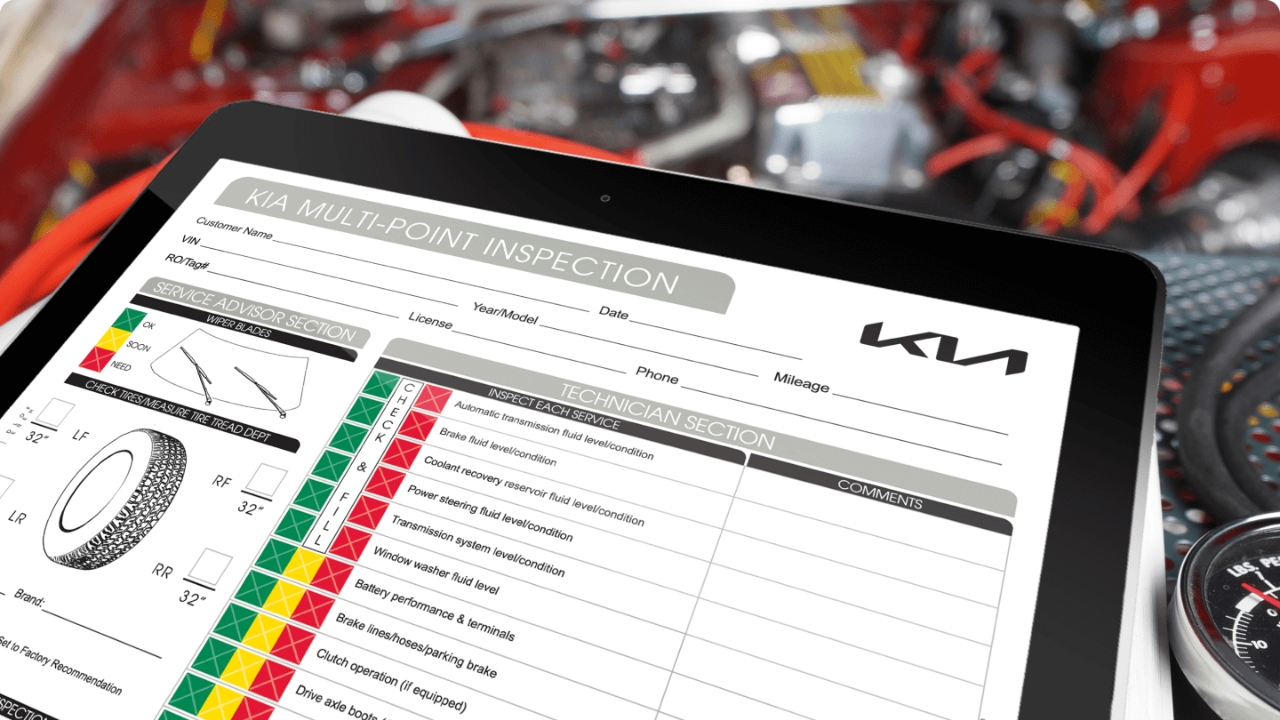
A technician puts the vehicle on a lift and works through every joint capable of creating a ride or noise complaint. That includes control arm bushings, ball joints, sway bar links, tie rod ends, and wheel bearings, plus a ride height measurement at all four corners. Tire wear patterns get documented and matched against the suspension findings. If the noise you described only appears while driving, a road test with a technician is part of the process. The result is a written list showing what needs attention now and what is simply worth watching.
Mount, Bushing, and Spring Work
Plenty of suspension noise comes from parts surrounding the damper rather than the damper itself. Seized upper mount bearings, cracked rubber isolators, collapsed control arm bushings, and broken coil springs all produce sounds owners commonly attribute to bad struts. Springs get inspected for corrosion pitting and fractured lower coils, which show up more often on vehicles that live near salt air. Repairs are scoped to the failed component so you are not buying a complete strut assembly when a mount is the problem. Every quote is reviewed with you before a wrench turns.
The Old Bounce Test Does Not Settle Much
Pushing down on a fender and counting rebounds was a reasonable field check decades ago, when dampers were softer and vehicles were lighter. On a modern crossover with a heavy body and a stiff spring rate, that test tells you almost nothing. Diagnosis here starts on the lift with a visual and hands-on inspection, then moves to a road test over pavement that reproduces the complaint.
Here is a case that comes through the shop regularly. A driver reports a hollow clunk over bumps and arrives convinced the struts are shot. On the lift the dampers are dry and firm, and the noise turns out to be a sway bar end link with several millimeters of play in the ball socket. Two links and an hour of labor solve it, where a strut replacement would have cost several times more and left the clunk exactly where it started.
- Every ride or noise complaint gets verified on a road test before any part is condemned
- Findings are shown to you with the vehicle on the lift, or with photos when you cannot be here
- Repairs are quoted line by line, and work begins only after you approve it
- Nothing gets replaced on the theory that it might be the problem
After the repair, the vehicle goes back on the road with a technician to confirm the original symptom is gone. Front strut replacements are followed by an alignment measurement, and the before and after readings are printed for your records. If the noise persists, the car returns to the lift rather than going home with an explanation.
Suspension work is available on all makes and models, whether you drive a Kia or something else entirely. Inspections are usually completed the same day with a scheduled appointment, and a two or four damper replacement often wraps up in a single visit when the parts are on the shelf.
Suspension Service Across the Kia Lineup and Beyond
Damper specifications differ significantly within a single model line. A Sportage or Sorento built with an off road oriented package uses different valving and ride height than the base configuration, and a Telluride carries far more weight over the front axle than a Forte or Soul. Technicians confirm the correct part by VIN rather than by model name, which matters most on trims that share a body but not a suspension tune.
Electric models add another consideration. An EV6 or Niro EV carries battery mass low in the chassis and puts a heavier static load on the springs and dampers than a comparable gas vehicle, so wear patterns and part numbers do not carry over from the gasoline version. Scheduling is straightforward: most inspections are completed the same day with an appointment, and replacement jobs requiring an ordered part are usually back in the bay within a day or two once it arrives.
- Parts confirmed by VIN, including trim specific damper valving and spring rates
- Front strut replacement paired with an alignment measurement, not treated as optional
- Dampers replaced per axle so both sides of the vehicle behave the same way
Find Kia Country of Charleston in Charleston, SC
Ride Quality Complaints from Around the Tri County
Broken pavement, bridge expansion joints, and settled marsh roads all take a toll on dampers, and drivers make the trip here from well beyond the city limits to get suspension noise sorted out. Appointments come in regularly from these communities:
- Mount Pleasant, SC
- West Ashley, SC
- North Charleston, SC
- Daniel Island, SC
- Johns Island, SC
- Summerville, SC
- Hanahan, SC
- Goose Creek, SC
If the ride has changed and you are not sure why, book a lift inspection and let a technician trace it to the actual part.
Shock and Strut Questions Worth Asking
These come up almost weekly at the service desk, from owners of every make and model that rolls through the lane.
Q: How long should shocks and struts last?
Q: Do they really have to be replaced in pairs?
Q: Is it safe to keep driving on a leaking strut?
Q: What does the suspension inspection here actually cover?
Q: Can you work on my truck or SUV if it is not a Kia?
If your question is more specific than what is covered here, call the service desk and describe the noise or the feel. Details like when it happens and at what speed help a technician narrow the possibilities before you even arrive.
A short conversation now can save you a wasted trip later.
Book Suspension Service at Kia Country of Charleston
Worn dampers rarely stay a standalone problem. They chew through tires, load up mounts and bushings, and stretch braking distances long before anyone connects the noise to the cause.
Diagnosis comes first, always. You will see what a technician found, receive a quote broken out by part and labor, and give approval before any work starts. If a part turns out to be fine, it stays on the car.
Schedule online in a couple of minutes, call the service desk, or stop by if you would rather show someone the problem in person. Either way, a technician will get the vehicle on a lift and give you a straight answer.
Service Specials
Buy 3 Tires, Get One for
PLUS Road Hazard Protection

Spend and Save


30,000 Mile Service

60,000 Mile Service