Transmission Repair in Charleston, SC
Most Shift Complaints Are Not a Failed Transmission
A hard shift, a delay when you drop into drive, or a check engine light with a transmission code sends most people straight to worst case thinking. In practice, a large share of those complaints trace back to fluid condition, a solenoid, a wiring fault, or software that needs updating. Kia Country of Charleston diagnoses transmission concerns for drivers around Charleston, SC, and the shop works on all makes and models rather than the Kia lineup alone. Every job begins with scan tool data, a fluid inspection, and a road test that reproduces the symptom, because no transmission gets opened or replaced on a guess. Knowing the difference between an internal failure and an external cause is what keeps a four figure repair from becoming an unnecessary one.
How an Automatic Decides When to Shift
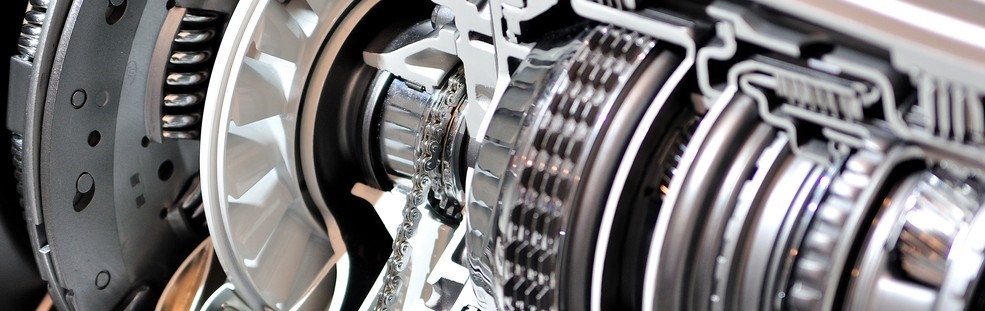
An automatic transmission is a hydraulic system managed by a computer. Fluid pressure applies clutch packs and bands to lock different gear sets, and the control module decides which combination to use based on throttle position, vehicle speed, engine load, and temperature. The actual shift is executed by solenoids that open and close passages in the valve body.
Fluid does far more than lubricate in this system. It carries the hydraulic pressure that applies the clutches, transfers torque through the converter, and removes heat from the whole assembly. When fluid degrades, all three of those functions degrade with it, which is why fluid condition is checked before anything else gets considered.
- Torque converter, which multiplies torque and locks up at cruise for efficiency
- Valve body and shift solenoids, which route pressure to the right clutch pack
- Clutch packs and steel plates, the components that hold each gear ratio
- Planetary gear sets or, on a continuously variable design, belt and pulley assemblies
- Transmission control module and its speed sensors, which time every shift
Dual clutch and continuously variable transmissions behave differently from a traditional automatic and have their own normal characteristics. A dual clutch unit can feel slightly abrupt at low speed because it uses actual clutches rather than a torque converter, and a continuously variable transmission holds engine speed steady during acceleration by design. Neither behavior indicates a fault by itself.
The persistent myth worth retiring is that transmission fluid never needs attention. Manufacturers do specify service intervals for most units, and heat is what shortens fluid life. Stop and go traffic, towing, and hot climates all push fluid temperature higher and pull those intervals in.
Symptoms That Warrant an Appointment Now
Slipping is the symptom that deserves the fastest response. If engine speed climbs while the vehicle fails to accelerate proportionally, a clutch pack is not holding, and continuing to drive generates heat and metal debris that spread the damage further into the unit.
Delayed engagement is another one to take seriously. Shift into drive or reverse and count the seconds before the vehicle actually moves. Anything beyond about a second suggests low pressure, a fluid level problem, or internal wear, and it tends to worsen steadily rather than stabilize.
- Harsh, jerking, or clunking shifts that used to be smooth
- Engine speed flaring between gears without matching acceleration
- Red or brown fluid on the driveway beneath the front of the vehicle
- A burnt smell, or fluid that has turned dark and smells scorched
- A check engine light accompanied by a shift or gear ratio code
Some transmission complaints have nothing to do with the transmission. A failing engine mount lets the powertrain shift under load and produces a clunk drivers read as a bad shift. A misfire causes a shudder that feels exactly like torque converter shudder, and a wheel speed sensor fault can make the control module command shifts at the wrong moment. Sorting that out requires data, not assumptions.
Time is the deciding factor in what a transmission repair costs. A solenoid or a fluid service caught early is a manageable bill, while the same vehicle driven for another few months with a slipping clutch pack often needs a rebuild or a replacement unit. Getting the vehicle scanned when the symptom first appears is the single best cost control available.
Transmission Services Offered at Kia Country of Charleston
Diagnosis, fluid service, component repair, and full replacement are all available for all makes and models.
Transmission Diagnosis
Diagnosis starts with a full scan of the transmission control module, including stored codes, freeze frame data, and adaptive learning values that show how the unit has been compensating for wear. A technician road tests the vehicle while watching live data such as line pressure, slip ratio, and fluid temperature. Fluid is inspected for color, smell, and debris, and the pan or filter may come down if contamination is suspected. Findings are explained in plain terms, along with what is causing the symptom and what it will take to fix. You get a repair path with pricing before any work is authorized.
Fluid and Filter Service
Fluid service uses the exact specification your transmission requires, since these units are engineered around a particular friction characteristic and a generic substitute can cause shudder or harsh engagement. Filters are replaced where the design includes a serviceable one, and the pan magnet gets inspected for accumulated metal that would indicate internal wear. Fill level is verified at the correct fluid temperature using the procedure for your vehicle, because many modern transmissions have no dipstick and cannot be checked cold. Adaptive values are reset when the service calls for it so the module relearns shift timing on fresh fluid. If fluid condition suggests damage that a service will not fix, you hear that up front instead of paying for both.
Repair and Replacement
Repairs cover the range from external work such as solenoids, sensors, wiring harnesses, and seals through to valve body replacement and complete unit replacement. Software updates are checked first, since manufacturers periodically revise shift strategy to address exactly the complaints owners report. Leaks are traced to the specific seal or cooler line rather than treated with a stop leak additive. When a transmission genuinely needs replacing, options and pricing are presented clearly so the decision is yours to make. Every repair concludes with a road test confirming the original symptom is gone.
Nothing Comes Apart Before the Data Says So
Transmission work carries a high enough price tag that guessing is unacceptable. Diagnosis here means codes, live data, adaptive values, fluid condition, and a road test that reproduces the complaint with a technician behind the wheel. Only after all of that lines up does anyone talk about internal repair.
An example that plays out often: a vehicle arrives with a shudder at light throttle around forty five miles per hour, and the owner has been told the transmission is failing. Scan data shows the torque converter clutch applying normally with no slip, while a cylinder misfire counter climbs during exactly that load condition. The real fix is a set of ignition coils, and the shudder disappears with the transmission untouched.
- Symptoms verified on a road test before any repair is proposed
- Software updates and known service bulletins checked before mechanical work
- Fluid condition and pan debris evaluated as evidence, not as a sales opportunity
- Written estimates with your approval required before anything is disassembled
After a repair, the vehicle is driven again through the same conditions that produced the complaint, with the scan tool connected to confirm shift quality and adaptive relearn. Before and after data is documented so you can see what changed. If the symptom returns, the vehicle comes back into a bay.
Transmission diagnosis is available on all makes and models. Most diagnoses are completed the same day with a scheduled appointment, and fluid services generally finish within a single visit. Internal repairs take longer and depend on parts availability, and you will get a realistic timeline rather than an optimistic one.
Transmission Expertise Across Kia Models
The Kia lineup uses several distinct transmission designs, and treating them interchangeably leads to bad diagnoses. A Forte or Seltos may use a continuously variable unit whose normal behavior differs sharply from the conventional automatics in a K5, Sorento, or Telluride, and certain performance oriented models run a dual clutch design with its own low speed characteristics. Fluid specification and service procedure are confirmed by VIN so the correct product and the correct fill procedure get used every time.
Electric models change the conversation entirely. An EV6 or Niro EV uses a single speed reduction gear rather than a multi speed transmission, so shift complaints do not apply, though gear oil and driveline inspection remain part of routine service. Timing expectations stay honest: diagnosis is usually same day with an appointment, fluid work typically finishes in one visit, and larger internal repairs are scheduled around parts availability with a firm update as soon as parts are confirmed.
- Fluid type and capacity verified by VIN, never substituted with a universal product
- Factory scan tool access for control module data, software updates, and adaptive resets
- Continuously variable, dual clutch, and conventional automatic designs all diagnosed in house
Find Kia Country of Charleston in Charleston, SC
Transmission Work for the Surrounding Communities
Heavy traffic on the bridges and long idles in summer heat both raise transmission fluid temperature, and drivers bring shift complaints to us from across the area. Regular visitors come from:
- West Ashley, SC
- North Charleston, SC
- Summerville, SC
- Mount Pleasant, SC
- Hanahan, SC
- James Island, SC
- Goose Creek, SC
- Ladson, SC
If the shifts have changed character, get it scanned before the symptom turns into a bigger repair.
Transmission Questions We Answer Regularly
These questions come from drivers of every make and model, and the answers apply broadly.
Q: Does transmission fluid actually need to be changed?
Q: Can a fluid change fix a transmission that is already slipping?
Q: What does a transmission warning light usually mean?
Q: What happens during a transmission diagnosis at your shop?
Q: Do you diagnose transmissions on vehicles other than Kia?
Describing a shift problem over the phone helps more than you might expect. Tell the service desk when it happens, at what speed, and whether the engine is warm or cold, and an advisor can give you a sense of urgency before you come in.
Early scans cost far less than late repairs.
Get a Transmission Concern Looked At
Transmission problems are unusual in one respect: driving on them actively makes them more expensive. Worn clutch material circulates through the valve body and turns a repairable fault into a replacement.
The process here starts with data and a road test, and no internal work is proposed until the evidence supports it. You approve an estimate before anything comes apart, and no repair is recommended on a hunch.
Book online, call the service desk, or bring the vehicle by and describe what it is doing. A technician will connect a scan tool and tell you what you are actually dealing with.
Service Specials

Buy 3 Tires, Get One for
PLUS Road Hazard Protection

Spend and Save


30,000 Mile Service

60,000 Mile Service